
Spiral plate heat exchangers are gaining attention for their unique design and excellent heat transfer capabilities. But what exactly is a spiral plate heat exchanger, how does it work, and why might it be the right choice for your application? In this article, we’ll explore its working principle and key features.
What Is the Structure of a Spiral Plate Heat Exchanger?
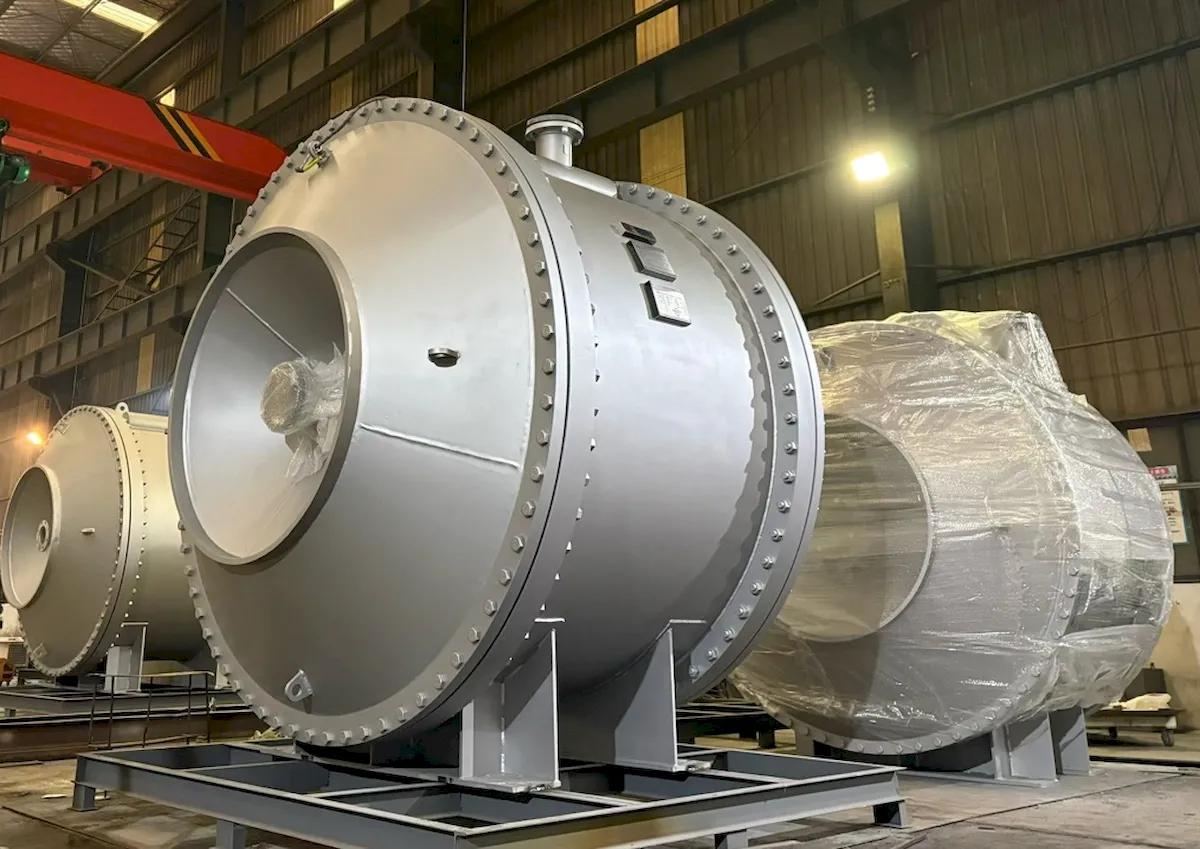
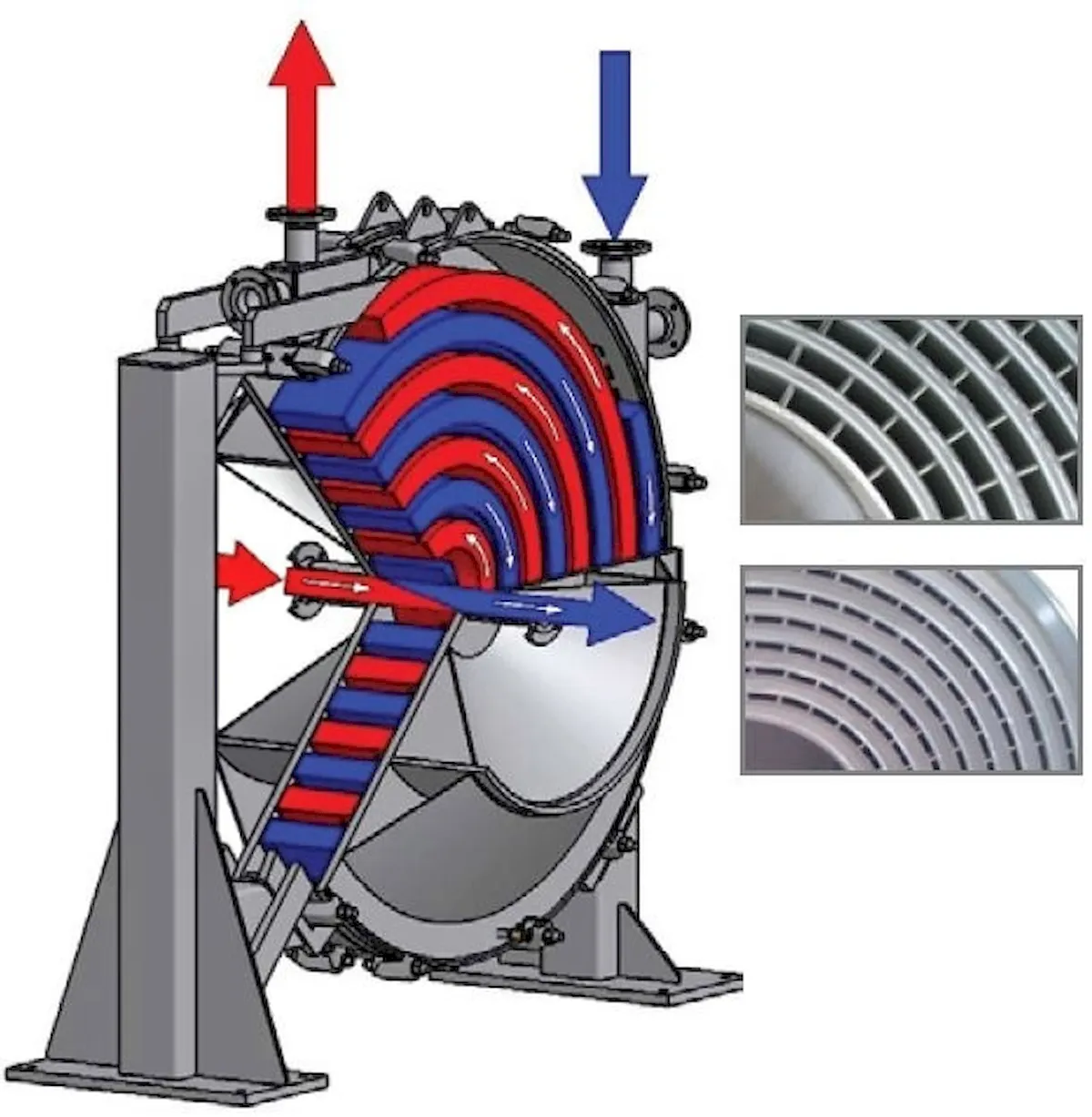
A spiral plate heat exchanger consists of two long metal plates wound around a central core to form two spiral channels. These spiral channels provide continuous flow paths for two fluids to move in counter current direction, maximizing heat transfer efficiency.
How Does a Spiral Plate Heat Exchanger Work?
The two fluids enter from opposite ends of the spiral channels and flow in countercurrent directions. The heat exchange occurs across the thin metal plates separating these spiral channels.
The spiral design induces a strong centrifugal force and turbulence, which prevents fouling and significantly enhances the heat transfer rate.
Step-by-step process:
The hot fluid enters one spiral channel at the outer edge and flows inward.
The cold fluid enters the other spiral channel at the inner edge and flows outward.
Heat transfers across the thin metal plate separating the two spiral channels.
Both fluids exit at different temperatures without mixing.
What Are the Key Features of Spiral Plate Heat Exchangers?
Compact and space-saving design with high heat transfer surface area.
Self-cleaning effect due to centrifugal forces reducing fouling risk.
Suitable for handling fluids with suspended solids or high viscosity.
High pressure and temperature tolerance.
Efficient countercurrent flow arrangement maximizing thermal performance.
Typical Applications
Waste heat recovery
Chemical and petrochemical processing
Food and beverage industry
HVAC systems
Sludge heating and other challenging fluids
Conclusion
If your process requires high efficiency combined with fouling resistance, especially when fluids contain solids or are viscous, spiral plate heat exchangers can be an ideal solution. Understanding their structure and operation principles will help you leverage their advantages for optimal performance.